March 25, 2026
Windshields are an essential safety feature of any vehicle, providing protection against external elements and ensuring clear visibility. However, windshield chips and cracks are common issues that many vehicle owners face. Understanding the causes of these damages can help in preventing them and maintaining the integrity of your vehicle's windshield. With safety being a top concern for motorists, addressing these occurring problems is critical. This comprehensive guide aims to explain various causes of windshield damage and offer insights into preventive measures and auto glass repair recommendations.
1. Road Debris
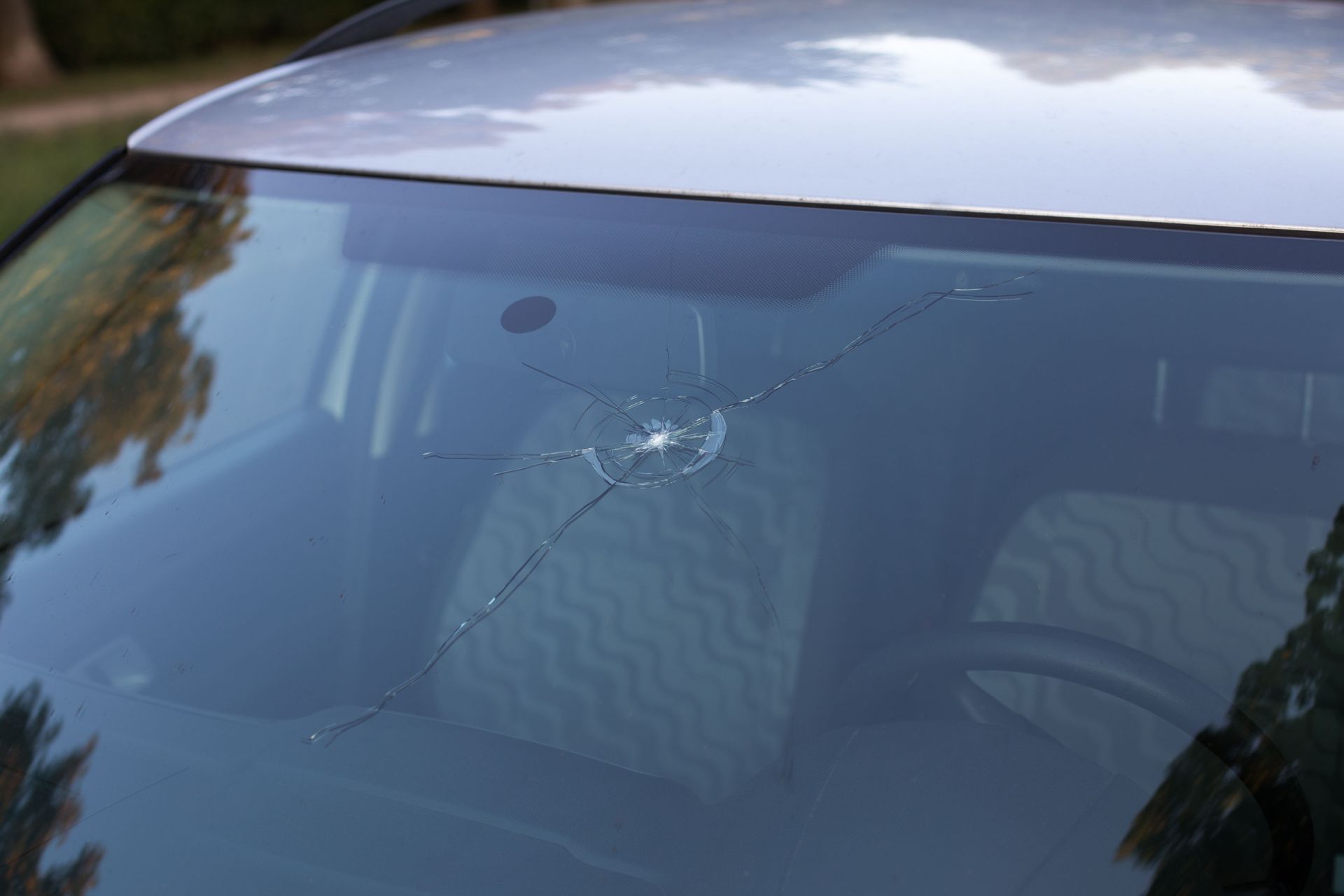
One of the most prevalent causes of windshield chips and cracks is road debris. This includes gravel, stones, and other small objects that may be on the road surface. Oftentimes, these objects can be projected at high speeds by other vehicles, posing a risk to windshields. While these pieces of debris might appear insignificant, their impact at high speed can quickly cause damage. Understanding the types and behaviors of road debris can help in implementing strategies to minimize risk.
Gravel and stones are notorious for causing windshield chips due to their prevalence on highways and roads. When tires roll over them, they are often propelled into the air at speeds that pose a significant threat to vehicle glass. Despite seeming trivial, the force at which small stones can hit the windshield is substantial enough to cause immediate visible damage. Such damages, if left unaddressed, can lead to more significant windshield fractures. Reach out for expert support as soon as you notice the issue to minimize damage.
2. Temperature Fluctuations
Temperature fluctuations can lead to significant issues for windshields due to the expansion and contraction of glass. When a vehicle is parked in direct sunlight, the heat causes the glass to expand. Conversely, when parked in a cooler place, the glass contracts. Understanding and managing these temperature-induced stresses is pivotal in preventing windshield breakage.
Just as heat can expand glass, freezing conditions cause it to contract dramatically, worsening existing chips and cracks. Tiny fractures can grow larger under stress from cold weather effects. Freezing temperatures accelerate the spread of damage, which can lead to more expensive repair costs if unattended. Additionally, the defrosting process can further stress the windshield glass if done incorrectly. Hence, parking in sheltered or controlled environments is advised during cold weather to avoid substantial damage.
Rapid temperature changes can be particularly detrimental to windshield integrity. Sudden shifts from hot to cold or vice versa can cause immediate stress to the glass. Quick defrosting or blasting air conditioning on a hot windshield can hasten the onset of cracks. Consequently, these actions are discouraged as they introduce severe material stress. To prevent damage, temperature adjustments should be gradual and done with care.
3. Poor Installation
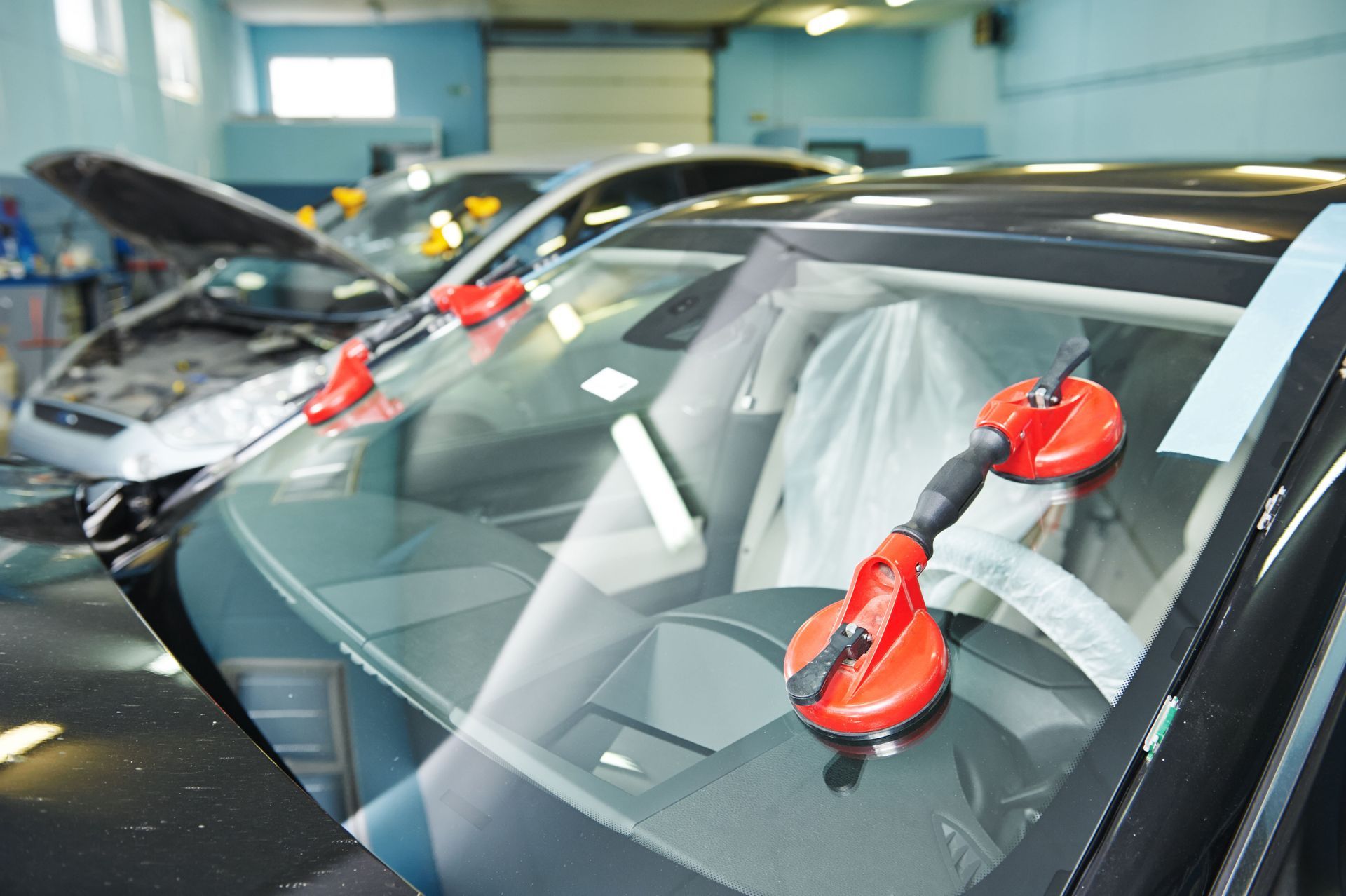
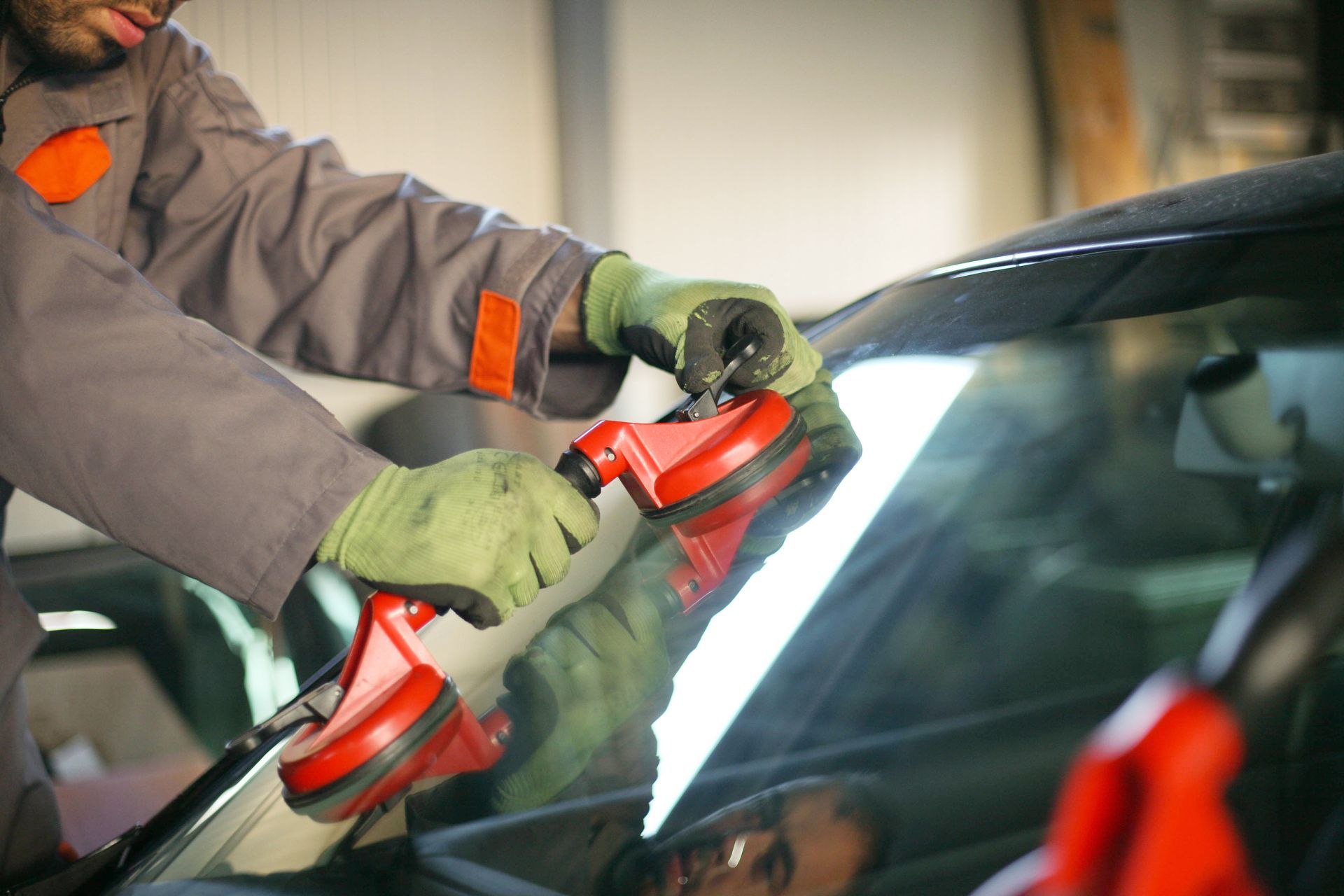
An improperly installed windshield may appear misaligned or have uneven gaps around the edges. Visible signs of this include air or water leaking into the vehicle cabin, indicating a loose fit. In the long term, poor installation could manifest as vibrational noises while driving or distorted visibility through the glass. These signs not only signify potential damage but also pose serious safety risks to vehicle occupants. Recognizing these symptoms and addressing them promptly is crucial for ensuring windshield safety and integrity.
Faulty windshield fitting can lead to amplified risks, as a misaligned windshield may not provide proper protection during a collision. Inconsistent sealing can allow moisture infiltration, leading to mold or further damage, affecting the structural integrity and visibility. Moreover, a poorly fitted windshield increases the chances of premature detachment from the frame during an accident. Correct initial installation by professional, experienced technicians can help avoid these severe risks. Safety and reliability begin with proper installation, contributing significantly to overall vehicle integrity.
4. Structural Weaknesses
Material quality plays a pivotal role in determining a windshield's resilience against chips and cracks. Inferior glass can be more susceptible to damage from routine wear and road debris impacts. Subpar material lacks the capacity to endure extreme temperatures, making it vulnerable to stress fractures. High-quality glass, enhanced with reinforced layers, can more effectively resist external pressures and fluctuations. Understanding the sources and certifications of materials ensures optimal strength and durability for windshields.
Manufacturing defects can also contribute significantly to windshield vulnerability. Occasional inconsistencies in manufacturing processes may lead to weaknesses such as uneven thickness or air bubbles within the glass. These flaws compromise structural integrity, increasing the likelihood of damage under stress. Vehicle manufacturers address such defects through recalls or replacements as a preventative measure. Awareness and vigilance in identifying defects early can prevent potential dangers associated with flawed windshield glass.
Aging and general wear over time naturally degrade the structural resilience of windshield glass. Regular exposure to elements like UV rays and pollution contributes to weakening over time. Even the repeated application of windscreen wipers wears down the surface, making it susceptible to chips and cracks. As vehicles age, routine inspections are critical to assess windshield conditions and address gradual deterioration promptly. Proactive maintenance can mitigate age-related vulnerabilities, extending the windshield's lifespan.
5. Object Collisions
Windshield collisions with various objects are inevitable occurrences on roads and can range from small animals to airborne branches or stones kicked up by passing vehicles. The risk of damage depends largely on the size and speed at which the object hits the windshield. Understanding the common sources of these accidental impacts can help drivers stay alert and practice safe driving habits. Additionally, such knowledge enables vehicle owners to assess situations requiring immediate rectification to prevent further harm. Preparedness ensures that minor damages don't evolve into significant safety hazards.
Full-scale road accidents pose a grave threat to windshields due to the force and impact involved. A compromised windshield during a collision can shatter, injuring passengers and exacerbating the accident's severity. Reinforced glass and proper seatbelt use mitigate such dangers by stabilizing the vehicle’s structural integrity. It is essential to verify the windshield's condition after any accident, however minor it may appear. While most insurance policies should cover auto glass repairs, the responsibility lies with vehicle owners to take preemptive actions for safety.
6. Stress from Improper Usage
Windshield wipers, when used improperly, can inadvertently cause wear and tear, leading to chips or scratches. Using wipers on dry or dust-laden surfaces increases friction, which wears down the glass layer. Abrasive debris can stick to the blade often, magnifying damage over time. Regular cleaning of wiper blades and using windshield washer fluids during operation can eliminate many of these risks. By correctly maintaining wipers, the windshield is protected from unnecessary deterioration.
Mounting external devices like GPS units or dash cameras directly onto the windshield can introduce unwanted pressure points. These points, particularly when extensive heat is present, exert additional stress, enhancing chip or crack propagation risks. Using alternative, windshield-free mounting solutions ensures proper balance and minimizes stress-induced damage. Through understanding and adapting these approaches, vehicle owners can best maintain their windshields' integrity. Effective management of pressure distribution prevents stress-related complications.
Understanding the common causes of windshield chips and cracks can significantly enhance both the safety and longevity of your vehicle. Did you know that, according to Forbes, damaged auto glass and windshields are the most filed insurance claims, making up nearly 30% of all auto insurance claims? By taking preventive measures and being aware of the various risks, you can save on
auto glass repairs and ensure that your windshield remains intact. Contact our team at Sparkle Autoglass today to learn more about our services.