July 9, 2026
Driving with damaged auto glass is something many people underestimate, but even small chips or cracks can quickly become larger issues. Your vehicle’s glass does more than provide visibility—it contributes to structural integrity, supports airbag deployment, and protects passengers from outside elements. When damage occurs, addressing it promptly through professional car glass repair is essential for maintaining both safety and performance. Even a minor imperfection can affect how the glass responds under pressure, making early attention an important part of responsible vehicle care.
Many drivers are unsure what to expect when they schedule a repair service. From the initial inspection to the final result, understanding the process can help eliminate uncertainty and ensure that the right decisions are made. Working with experienced technicians allows drivers to restore their vehicle’s condition efficiently while minimizing disruptions to their daily routine. Clear communication and professional evaluation also help set expectations, making the overall experience more straightforward and less stressful.
According to the U.S. Bureau of Labor Statistics, although overall employment growth in this field remains limited, there are still approximately 16,000 job openings each year for automotive body and glass repair professionals. This reflects the steady demand for skilled technicians who handle essential services like repair and replacement. The continued need for these professionals highlights how common glass damage is and how important it is to have reliable service options available.
We’ve seen how understanding the repair process helps drivers feel more confident when dealing with vehicle damage. Here’s what drivers should know about each stage of car glass repair and how it supports long-term safety and reliability.
Identifying Glass Damage Conditions
Recognizing Chips and Cracks
Glass damage often begins as a small chip caused by debris hitting the windshield. Over time, this chip can expand into a crack, especially when exposed to temperature changes or road vibrations. Car glass repair is most effective when these issues are addressed early, before they spread further. Acting quickly can help preserve the integrity of the glass and reduce the need for more extensive work.
Evaluating Damage Severity
Not all damage requires the same solution. Technicians evaluate the size, location, and depth of the crack or chip to determine whether repair or replacement is the best option. This assessment ensures that the integrity of the glass is maintained. A thorough evaluation also helps identify any hidden weaknesses that may not be immediately visible.
Understanding Structural Impact
The windshield plays a role in supporting the vehicle’s structure, particularly during accidents. Damage can weaken this support, making prompt repair essential for safety. Even minor cracks can compromise overall strength if left untreated.
Monitoring Environmental Effects
Temperature fluctuations, moisture, and road conditions can all worsen existing damage. Addressing issues quickly helps prevent further complications and supports consistent performance. Exposure to heat and cold cycles can cause expansion and contraction, which accelerates the spread of cracks.
Evaluating Repair Versus Replacement Needs
Assessing Repair Eligibility
Smaller chips and cracks are often repairable if they are not located in critical areas of the windshield. A professional evaluation ensures that the repair will be effective and safe. This step helps avoid unnecessary replacements while still maintaining safety standards.
Considering Replacement Requirements
Larger or more severe damage may require full replacement. This is especially true when cracks extend across the windshield or affect visibility. A qualified technician helps determine the best course of action.
Understanding Safety Standards
Repair and replacement decisions must meet industry safety guidelines. Car glass repair services follow these standards to ensure that the vehicle remains compliant and safe for use. Adhering to these guidelines helps protect both drivers and passengers.
Balancing Cost and Effectiveness
Repair is often more cost-effective than replacement, but only when it can restore the glass properly. Evaluating both options helps drivers make informed decisions. Considering long-term outcomes is just as important as immediate cost savings.
Preparing the Vehicle for Repair
Cleaning the Damaged Area
Before repair begins, the damaged section of the glass is cleaned to remove dirt and debris. This ensures that the repair material can bond effectively. Proper cleaning is essential for achieving a strong and lasting result.
Stabilizing the Glass Surface
Stabilization prevents the crack from spreading during the repair process. This step helps maintain control and accuracy throughout the procedure. Keeping the damage contained is critical for successful repair outcomes.
Setting Up Specialized Equipment
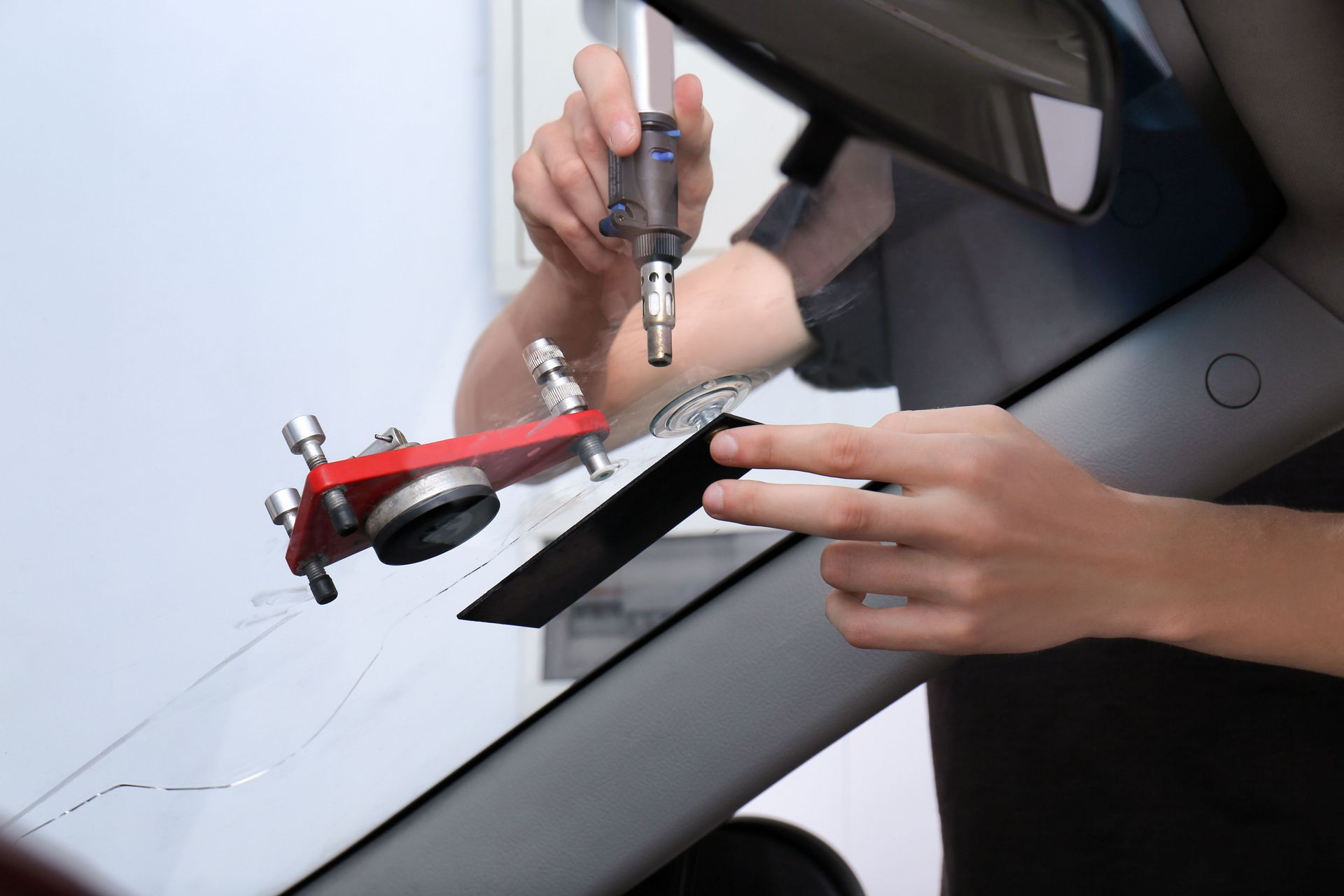
Technicians use specialized tools designed for precision repairs. These tools allow for accurate application of materials and consistent results. Using the right equipment ensures that repairs are completed efficiently and safely.
Ensuring Proper Conditions
Environmental factors such as temperature and humidity are considered to ensure optimal repair conditions. Proper preparation supports long-lasting results. Controlled conditions help improve the bonding process and overall durability.
Performing the Glass Repair Process
Applying Resin Materials
During repair, a specialized resin is injected into the damaged area. This resin fills the crack or chip, restoring strength and clarity to the glass. The quality of the resin plays a major role in the durability of the repair.
Using Controlled Pressure
Pressure is applied to ensure that the resin penetrates fully into the damaged area. This step helps eliminate air pockets and improve durability. Proper pressure application ensures a complete and even repair.
Hardening the Repair Material
Ultraviolet light is often used to cure the resin, allowing it to harden and bond with the glass. This process restores structural integrity. The curing stage is essential for ensuring that the repair holds over time.
Refining the Surface Finish
Once the resin is cured, the surface is smoothed and polished to improve visibility. This final step ensures a clean and professional result. A polished finish also helps the repair blend seamlessly with the surrounding glass. The repair process itself is designed to restore both strength and clarity, making car glass repair a reliable solution.
Ensuring Post-Repair Quality and Safety
Inspecting the Completed Repair
After the repair is finished, technicians inspect the area to ensure that the damage has been fully addressed. This confirms that the repair meets quality standards. Thorough inspection helps prevent future issues.
Verifying Structural Integrity
Ensuring that the glass has regained its strength is essential for safety. Properly completed repairs help maintain the vehicle’s structural support. This step is critical for long-term reliability.
Checking Visibility Clarity
Clear visibility is critical for safe driving. The repaired area is evaluated to ensure that it does not interfere with the driver’s view. Maintaining clarity is essential for safe operation on the road.
Confirming Long-Term Performance
Quality repairs are designed to last, preventing the need for additional work in the near future. This supports long-term reliability. A well-executed repair helps extend the life of the glass. Post-repair checks are an important part of the car glass repair process, ensuring that the results meet both safety and performance expectations.
Maintaining Glass Condition After Repair
Monitoring for New Damage
After a repair, it’s important to keep an eye on the glass for any new chips or cracks. Early detection helps prevent further issues. Regular observation supports long-term durability.
Reducing Exposure to Stress
Avoiding sudden temperature changes or impacts can help preserve the repaired area. This supports the longevity of the repair. Careful driving habits can also help minimize additional damage.
Scheduling Regular Inspections
Routine inspections help ensure that the glass remains in good condition. Professional evaluations can identify potential concerns early. Preventative care plays a key role in maintaining performance.
Supporting Ongoing Safety
Maintaining your vehicle’s glass contributes to overall safety and performance. Consistent care helps prevent future complications. Long-term maintenance ensures reliable results. Ongoing maintenance ensures that car glass repair continues to provide reliable results over time.
Understanding the repair process helps drivers make informed decisions when dealing with damage. From identifying issues to completing repairs and maintaining results, each step plays a role in ensuring safety and performance. Addressing damage early helps prevent more serious problems and supports long-term vehicle reliability.
By working with experienced professionals, drivers can ensure that their vehicle’s glass is restored properly and efficiently. This attention to detail helps maintain visibility, structural integrity, and overall driving confidence.
If you’re dealing with damaged auto glass and want reliable results, contact Sparkle Autoglass today to learn how professional car glass repair services can restore your vehicle’s safety and clarity.